The Everest Base Camp trek difficulty is a moderate to strenuous, non-technical trek. You do not need climbing experience or mountaineering skills, but you should prepare for 12–14 days of trekking, around five to seven hours of walking on most days, and high-altitude conditions reaching 5,364 metres at Base Camp. Most reasonably fit people can complete it with proper preparation, gradual pacing and enough acclimatisation time.
This guide is maintained by Navigate Globe, a Kathmandu-based trekking company licensed by the Nepal Tourism Board. It is written to help trekkers understand the Everest Base Camp Trek, prepare properly, and plan a safe journey with up-to-date information for 2026 and 2027.
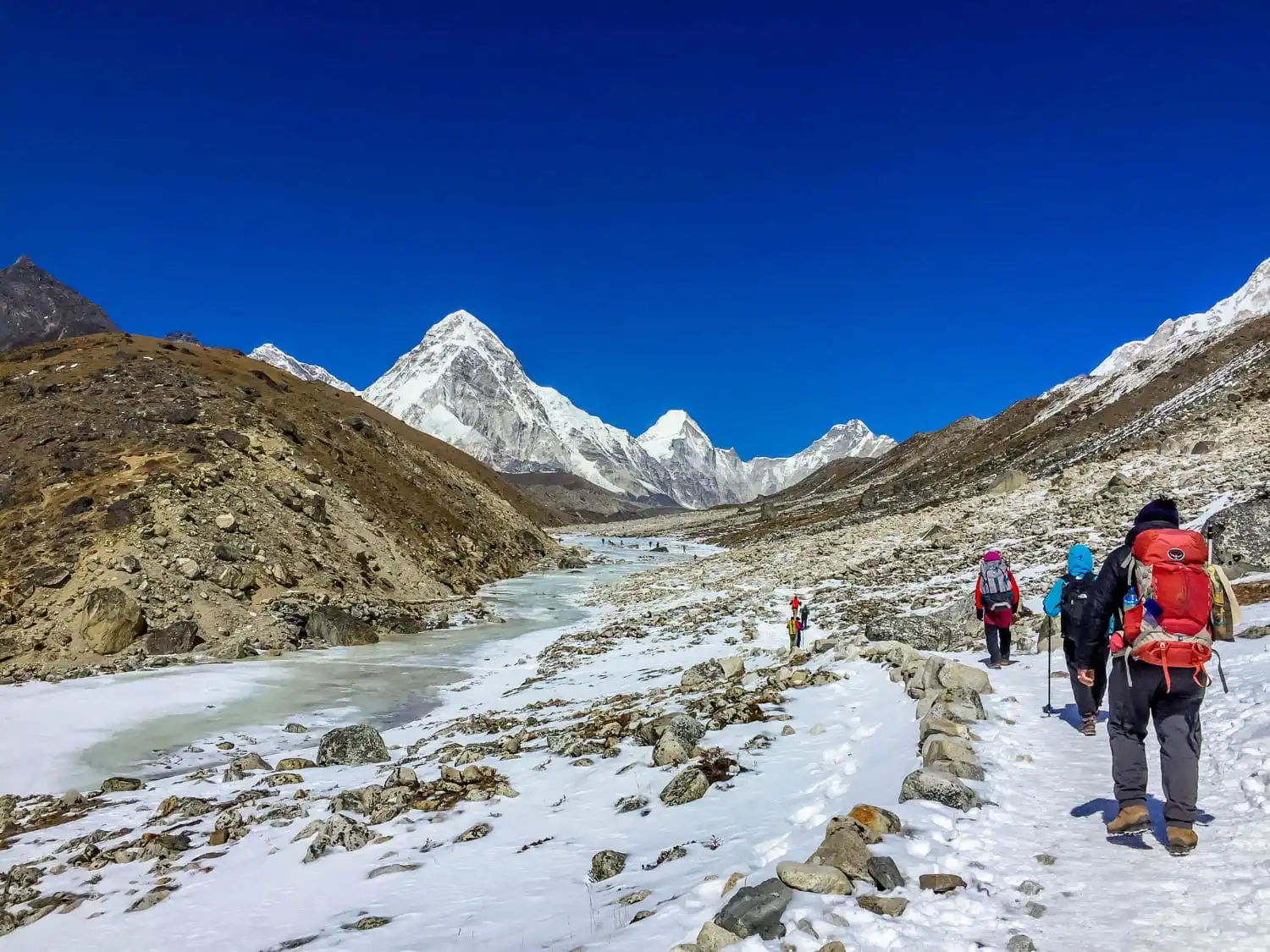
Everest Base Camp Trek Difficulty at a Glance
Factor | At a glance |
Overall difficulty | Moderate to strenuous |
Trek type | Non-technical high-altitude trek |
Typical duration | 12–14 days |
Daily walking | Around 5–7 hours |
Total distance | Approximately 130 km round trip |
Everest Base Camp elevation | 5,364 m |
Highest commonly reached point | Kala Patthar, approximately 5,545 m |
Main challenge | High altitude and cumulative fatigue |
Technical climbing required | No |
Suitable for beginners | Yes, with preparation and proper acclimatisation |
How Difficult Is the Everest Base Camp Trek?
The Everest Base Camp trek difficulty is best described as moderate to strenuous because it combines repeated walking days with the effects of high altitude. Although the route follows established trekking trails and requires no ropes or technical climbing equipment, walking above 4,000 metres feels much harder than covering the same distance at lower elevation.
The difficulty also builds gradually. Many trekkers feel comfortable during the first few days, then notice slower recovery, reduced appetite, lighter sleep and heavier legs as they approach Dingboche, Lobuche and Gorak Shep.
Everest Base Camp Trek Difficulty Is Not Technical
The standard Everest Base Camp trekking route follows established trails through the Khumbu rather than a technical climbing route. You walk through villages, forests, suspension bridges, exposed slopes and rocky moraine, but you do not climb Mount Everest or use mountaineering equipment.
The lack of technical climbing makes EBC accessible to ordinary hikers. It does not remove the need for stamina, balance and preparation for repeated uphill and downhill walking.
High Altitude Is the Biggest Challenge on the Everest Base Camp Trek
High altitude affects breathing, pace, sleep, appetite and recovery. Everest Base Camp stands at 5,364 metres, while the optional Kala Patthar viewpoint reaches approximately 5,545 metres.
At these elevations, lower air pressure means the body receives much less oxygen with each breath than it does at sea level. Fitness helps with endurance, but it does not guarantee that a person will acclimatise well. The CDC’s high-altitude travel guidance explains that physical fitness does not determine altitude-illness risk and that the rate of ascent and sleeping elevation are major factors.
Consecutive Walking Days Create Cumulative Fatigue
Most trekking days involve around five to seven hours of walking, repeated over nearly two weeks. The challenge comes less from one extreme day and more from having to walk again before the body has completely recovered.
A short day above 4,500 metres may feel harder than a longer walk lower on the trail. Cold nights, interrupted sleep and reduced appetite can make later stages increasingly demanding.
Terrain, Weather and Basic Teahouses Add to the Difficulty
The lower trail includes stone steps, forest paths, suspension bridges and sustained climbs. Higher sections near Lobuche, Gorak Shep and Base Camp become colder, more exposed and rockier.
Teahouses provide shelter, food and beds, but facilities become more basic with altitude. Cold rooms, limited washing facilities and changing weather can reduce comfort and make recovery more difficult.
Which Parts of the Everest Base Camp Trek Are the Hardest?
The hardest parts of the Everest Base Camp trek are usually the climb to Namche Bazaar, the high-altitude walk from Dingboche to Lobuche, the Base Camp approach and the optional Kala Patthar ascent.
The hardest section is not always the steepest one. Altitude, cold, uneven ground and accumulated tiredness can make a moderate slope feel more demanding than a steeper climb lower on the route.
Route section | Difficulty | Why it feels difficult |
Phakding to Namche Bazaar | Moderate to strenuous | Long uphill finish and first major elevation gain |
Dingboche to Lobuche | Strenuous | Higher altitude, exposed terrain and slower recovery |
Lobuche to Gorak Shep | Strenuous | Rocky moraine and walking close to 5,000 metres |
Gorak Shep to Base Camp and back | Strenuous | Maximum altitude, uneven terrain and cumulative fatigue |
Kala Patthar ascent | Very strenuous | Steep climb, thin air, cold and an early start |
Return towards Namche and Lukla | Moderate to strenuous | Long descents place pressure on tired knees and legs |
Phakding to Namche Is the First Major Fitness Test
The route into Namche Bazaar contains a sustained uphill finish after several hours on the trail. The Nepal Tourism Board’s Everest Base Camp route guide also identifies Namche as an important acclimatisation stop before trekkers continue higher.
It is an early test rather than the hardest stage of the whole trek. A controlled pace matters more than reaching Namche quickly.
Dingboche to Lobuche Is Where Altitude Becomes More Noticeable
The section beyond Dingboche often marks a change in how the trek feels. Walking becomes slower, rest breaks become more valuable and recovery may take longer.
The trail is not technically difficult, but it becomes more exposed and rises into thinner air. This is where trekkers who started too quickly may begin to feel accumulated fatigue.
The Base Camp and Kala Patthar Stages Are Usually the Hardest
The sequence from Lobuche to Gorak Shep, Everest Base Camp and Kala Patthar combines the highest elevations with rocky terrain, cold conditions and many days of previous effort.
Kala Patthar often feels harder than the Base Camp walk because it is higher and steeper. It is an optional viewpoint rather than part of the route required to reach Base Camp.
The Return Descent Can Be Harder Than Expected
Breathing often feels easier as you descend, but the return is not effortless. Long downhill sections place repeated pressure on the knees, calves and thighs.
Trekkers may also feel mentally tired after reaching their main goal. Maintaining a steady pace remains important until the final return to Lukla.
How the Difficulty Changes Throughout the Trek
The EBC trek does not feel equally difficult every day. It normally begins as a familiar hiking experience and gradually becomes a high-altitude endurance challenge.
The Lower Trail Feels Manageable for Most Prepared Trekkers
The section between Lukla, Phakding and Namche includes steep climbs and uneven paths, but breathing usually feels more normal than it does higher up.
This can create false confidence. Walking too fast during the lower stages may increase fatigue without helping the body acclimatise any faster.
Recovery Becomes Slower Above Dingboche
Above approximately 4,000 metres, trekkers may notice heavier breathing, reduced appetite, lighter sleep and slower recovery. A moderate uphill section can require more frequent pauses.
Fitness improves endurance, but it does not determine how well someone acclimatises. Altitude response varies between individuals.
Cumulative Fatigue Peaks Above Lobuche
By the time trekkers reach Lobuche and Gorak Shep, they have already spent several days walking. The body must now manage high altitude at the same time as muscular tiredness and limited recovery.
This is why the Everest Base Camp trek can feel much harder than its daily distances suggest. The challenge comes from several factors working together, not from one exceptionally long day.
Mental Fatigue Can Increase After Reaching Base Camp
Reaching Base Camp is a major emotional reward, but the journey is not finished. Trekkers must still return through several days of descending trail.
Cold mornings, basic facilities, repetitive routines and the desire to finish can affect concentration. Breaking the return into daily goals helps make it feel more manageable.
How Fit Do You Need to Be for Everest Base Camp?
You do not need elite fitness for Everest Base Camp. You need enough endurance to walk for several hours on hilly ground, recover overnight and repeat that effort across consecutive days.
Trail endurance matters more than speed or maximum gym strength. Strong legs, reasonable cardiovascular fitness and comfort on uneven ground will make the experience more manageable.
Use This Practical Everest Base Camp Fitness Readiness Test
You are more likely to be ready for the trek if you can:
Walk for five to seven hours on hilly or uneven terrain
Complete a full-day hike without becoming exhausted
Walk again the following day at a comfortable pace
Manage sustained uphill and downhill sections
Carry a light daypack without back or shoulder pain
Accept slow walking rather than treating the trek as a race
Remain comfortable with basic accommodation and changing weather
This is a practical guide rather than a medical clearance test. Anyone with heart, lung or other significant health concerns should discuss high-altitude travel with a qualified healthcare professional before booking.
Trail Endurance Matters More Than Gym Strength
Running, cycling and gym training can build useful fitness, but they do not fully reproduce the demands of mountain trekking. The trail requires repeated ascents, long descents, balance and several days of sustained effort.
Outdoor hill walking provides the most relevant preparation because it trains your legs, feet and pacing together.
Fitness Does Not Prevent Altitude Sickness
A fit person may walk more comfortably, but fitness does not reduce their natural susceptibility to altitude illness. The main risk factors include sleeping elevation, rate of ascent and individual response.
Fast, confident trekkers sometimes struggle because they ascend too aggressively. At altitude, patience is a more useful skill than speed.
Can Beginners Complete the Everest Base Camp Trek?
Yes, beginners can complete the trek, but doing Everest Base Camp without previous trekking experience still requires physical preparation, a gradual itinerary and realistic expectations. A beginner should arrive with basic hiking endurance, realistic expectations and enough time for a gradual itinerary.
No previous mountaineering experience is required. Previous multi-day hiking experience helps because it teaches pacing, equipment use and how the body feels after repeated walking days.
What Should a Prepared Beginner Be Able to Do?
A prepared beginner should be able to complete a long hill walk, manage uneven ground and recover well enough to remain active the next day.
Beginners also need to:
Follow the planned pace rather than competing with faster trekkers
Accept scheduled acclimatisation days
Communicate changes in appetite, sleep or wellbeing
Manage cold mornings and basic teahouse conditions
Carry suitable layers and a light daypack
Follow guide instructions when conditions change
Can You Do the Everest Base Camp Trek With No Preparation?
Attempting Everest Base Camp with no preparation is not recommended. The route requires repeated long walks, sustained ascents, high-altitude exposure and several days of recovery in basic mountain conditions.
An already active person may need less preparation than someone who rarely exercises, but both should complete practice hikes before departure. A dedicated EBC training guide can provide a more detailed preparation programme.
What If You Are Not Fit Enough for Everest Base Camp Yet?
Not being ready now does not mean Everest Base Camp is permanently beyond your ability. Build endurance gradually, practise hills and descents, and reassess after completing several full-day hikes.
You can also consider a slower itinerary, porter support or a shorter introductory trek before attempting EBC.
If you cannot commit to the physical demands or trek duration, an Everest Base Camp helicopter tour offers a different way to experience the Everest region without completing the full trek.
Who Finds the Everest Base Camp Trek Most Difficult?
The trek usually feels hardest for people who arrive untrained, walk too quickly, choose a rushed itinerary or underestimate the effects of altitude and limited recovery.
Trekker profile | Why they may struggle | Better approach |
Inactive beginner | Lacks repeated walking endurance | Build up through regular walks and hill hikes |
Gym-fit but inexperienced hiker | Strength may not transfer to trail endurance | Add outdoor ascents and descents |
Fast or competitive walker | May rush altitude gain | Follow a slow, consistent guide-led pace |
Traveller on a compressed itinerary | Has less recovery and acclimatisation time | Choose a gradual schedule |
Traveller expecting hotel comfort | May sleep poorly or struggle mentally | Prepare for basic teahouse facilities |
Trekker with health concerns | Altitude may add medical risk | Seek professional medical advice before travelling |
Age alone does not determine suitability. A healthy, well-prepared older trekker may cope better than a younger person who arrives untrained or walks too fast.
Does the Season Change Everest Base Camp Trek Difficulty?
Yes. The season can change trail conditions, temperatures, visibility, lodge availability and flight reliability. Spring and autumn generally provide the most manageable balance for first-time trekkers, while winter and monsoon add environmental difficulty.
Season | Typical difficulty | Main challenge |
Spring: March–May | Moderate | Busy trails and changing afternoon cloud |
Autumn: September–November | Moderate | Crowded peak periods and colder late-season nights |
Winter: December–February | Strenuous | Severe cold, snow or ice at higher elevations |
Monsoon: June–August | Strenuous | Wet lower trails, cloud and flight disruption |
Seasonal conditions vary from year to year. Check current forecasts and local route information before travelling rather than relying only on historical averages.
How Can You Make the Everest Base Camp Trek More Manageable?
The trek becomes more manageable when you control the factors that can be controlled: preparation, pace, itinerary, daypack weight and communication.
Choose a Gradual Everest Base Camp Itinerary
A suitable itinerary should provide enough time for acclimatisation and recovery. Compare Navigate Globe’s 14-day Everest Base Camp trek before choosing a shorter schedule. The CDC advises gradual increases in sleeping elevation above 3,000 metres and additional acclimatisation time as sleeping altitude increases. It also notes that standard EBC schedules can push the limits of some trekkers’ ability to acclimatise.
Namche Bazaar and Dingboche commonly serve as acclimatisation stops before the higher route.
Before departure, verify current guide and trekking document requirements through the Nepal Tourism Board's official TIMS guidance, as trekking regulations may change.
Walk Slowly From the First Day
Use a pace that allows steady breathing and comfortable conversation. Walking slowly reduces unnecessary fatigue and makes it easier to observe how your body responds to the increasing elevation.
Do not copy the pace of another trekker. People acclimatise and recover differently.
Train for Hills, Descents and Repeated Walking Days
Include outdoor hikes, stairs or hill walking in your preparation. Practise descending as well as climbing because the return journey places considerable pressure on the legs.
Completing walks on consecutive days is useful because it teaches the body to move while carrying some tiredness from the previous day.
Keep Your Daypack Light
Carry only the items needed during the walking day. Porter support can reduce the load you carry and help conserve energy, especially above 4,000 metres.
A lighter pack does not remove the effect of altitude, but it can reduce avoidable physical fatigue.
Report New Symptoms Early
Tell your guide about new or worsening symptoms rather than hiding them to stay with the group. Do not continue ascending when an experienced guide or medical professional advises you to stop.
This article provides general trekking information and does not replace individual medical advice.Before travelling, confirm that your Nepal trekking insurance covers your route’s maximum elevation, emergency assistance and remote evacuation.
Frequently Asked Questions About Everest Base Camp Trek Difficulty
How Difficult Is the Everest Base Camp Trek for a Beginner?
The Everest Base Camp trek is moderate to strenuous for a beginner. It is achievable without climbing experience, but beginners need hiking endurance, a gradual itinerary and enough preparation to walk for several hours over consecutive days.
What Is the Hardest Day of the Everest Base Camp Trek?
The sequence from Lobuche to Gorak Shep, Everest Base Camp and Kala Patthar is usually the hardest part of the trek. It combines the highest elevations, rocky terrain, cold conditions and fatigue accumulated over the previous days.
Do You Need Climbing Experience for Everest Base Camp?
No climbing experience is required for the standard Everest Base Camp route. It is a trekking trail and does not require ropes, harnesses, ice axes or technical mountaineering skills.
Can an Average-Fit Person Complete Everest Base Camp?
An average healthy person can complete Everest Base Camp with suitable preparation, a well-paced itinerary and realistic expectations. The person should be able to walk for five to seven hours on hilly terrain and repeat that effort across several days.
Is the Descent From Everest Base Camp Difficult?
The descent can be difficult because it places repeated pressure on tired knees, calves and thighs. Breathing usually becomes easier at lower elevations, but accumulated fatigue and long downhill sections can still make the return strenuous.
Is Everest Base Camp Harder Than Kilimanjaro?
The two challenges are different. Kilimanjaro reaches a higher elevation, while the standard Everest Base Camp trek usually lasts longer and creates more cumulative walking fatigue. Personal experience, route duration and acclimatisation schedule strongly affect which feels harder.
How Many Hours Do You Walk Each Day on the EBC Trek?
Most Everest Base Camp trekking days involve approximately five to seven hours of walking. Acclimatisation days may be shorter, while the highest stages around Gorak Shep, Base Camp and Kala Patthar may feel longer because altitude slows the pace.
Can Fit People Still Get Altitude Sickness on EBC?
Yes. Physical fitness helps with walking endurance but does not prevent altitude illness. Sleeping elevation, speed of ascent and individual susceptibility have a greater influence on altitude risk.
Does the 2pm Rule Apply to Everest Base Camp Trekkers?
No. The so-called 2pm rule usually refers to turnaround planning during summit climbing and does not govern the standard Everest Base Camp trekking route. EBC trekkers follow their itinerary, weather conditions and guide instructions rather than a universal 2pm turnaround rule.
See whether Navigate Globe’s gradual Everest Base Camp itinerary matches your fitness, available time and trekking experience.
Is the Everest Base Camp Trek Right for You?
See whether Navigate Globe’s 14-day Everest Base Camp trek fits your fitness, available time and trekking experience.
Expert reviewed on Mar 4, 2026
Navigate Globe Nepal Planning Desk, Kathmandu-based Nepal travel specialists.
About Navigate Globe Team
Field-tested Nepal travel planning advice from the Navigate Globe team in Kathmandu, based on local expertise and regularly reviewed for accuracy.